Aircrew Parachute Harness/Pack – Vulcan & Victor Crew Seats: Historic Aircrew Escape Assembly
Aircrew Parachute Harness/Pack – Vulcan & Victor Crew Seats: Historic Aircrew Escape Assembly
Blog Article
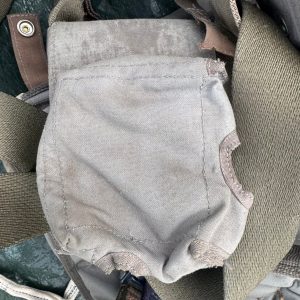
The Aircrew Parachute Harness/Pack – Vulcan & Victor Crew Seats provides strong commercial and historical appeal when its identity, condition, completeness, configuration, and documentation are described accurately.
An Aviation Parachute Harness may form part of military, training, experimental, aerobatic, or historic aviation equipment, while a Pilot Parachute Harness requires professional assessment before any operational consideration.
Whether buyers seek an Aircraft Emergency Parachute Harness, Aircrew Safety Harness, Flight Crew Parachute Harness, Emergency Parachute Harness, or Military Aircrew Harness, exact system identity should guide evaluation.
An Aviation Emergency Escape Harness may include webbing, fittings, attachment points, adjustment hardware, container-related components, and seat-interface features depending on the exact design.
Aircraft Parachute Equipment offers the strongest value when condition, origin, markings, storage history, and intended sale status are disclosed transparently.
Historic Vulcan and Victor Crew-Seat Equipment
A visually similar military parachute harness may not belong to the same aircraft, seat, or operating configuration.
Complete package information helps buyers estimate restoration needs and historical value.
Parachute Harness Webbing and Hardware
An Aviation Parachute Harness typically relies on load-bearing webbing, reinforced stitching, metal fittings, adjustment hardware, attachment points, and configuration-specific connections.
Reinforced areas near attachment fittings and high-load junctions deserve particular attention.
Pilot Harness Strap Configuration
Historic equipment intended for display should remain clearly separated from equipment evaluated for operational use.
Frozen or stiff hardware should not be forced because this can tear material or damage rare components.
Aircraft Escape Harness Applications
Operational claims should never be made without current specialist inspection and applicable documentation.
Unknown alterations should be recorded rather than removed immediately.
Aircrew Safety Harness Applications
An Aircrew Safety Harness may serve as part of a parachute, restraint, escape, survival, or crew-seat equipment system depending on its exact design.
Proper storage protects the Aircrew Safety Harness and reduces further deterioration.
Evaluating a Flight Crew Parachute Harness
The condition of a Flight Crew Parachute Harness should be described using specific observations rather than broad terms such as excellent, serviceable, or ready for use.
Documented history can add substantial collector value.
Inspecting an Emergency Parachute Harness
A documented inspection preserves both technical information and collector value.
Metal fittings should be checked for rust, pitting, cracks, distortion, sharp edges, frozen movement, and plating loss.
Vulcan and Victor Aircrew Equipment
A Military Aircrew Harness associated with Vulcan and Victor crew seating can hold significant interest for collectors of British military aviation, historic aircraft equipment, and Cold War-era artifacts.
Conservation-focused presentation protects the Military Aircrew Harness for future study.
Evaluating Emergency Escape Gear
Seat design, parachute pack, harness connections, release mechanisms, crew procedures, aircraft configuration, and survival equipment may all interact.
Connections intended to interface with a crew seat should be photographed and measured carefully.
Evaluating Assembly Completeness
Completeness should be described through visible evidence and available records.
Unverified components should be identified as unknown rather than assigned an unsupported function.
Aircraft Crew Safety Equipment
Historic equipment should be labeled clearly when sold for display, collection, restoration, or reference.
Aggressive washing, chemical treatment, polishing, repainting, or hardware replacement can reduce originality and damage materials.
Military Flight Emergency Gear
Historical context can be as important as cosmetic condition.
Accurate classification improves the credibility of Aircrew Emergency Equipment sales.
Evaluating Historic Parachute Systems
The offered harness/pack should not be treated as a complete parachute system unless every component is identified and professionally evaluated.
Responsible handling protects the Pilot Emergency Parachute System and its provenance.
Choosing an Aviation Safety Harness
The item should remain removable for inspection click here and future conservation.
Controlled access supports preservation of the Aviation Safety Harness.
Choosing a Flight Parachute Harness
Clear intended-use classification supports responsible transactions.
Damage, missing components, mixed assemblies, heavy corrosion, cut straps, contamination, or unsupported provenance may reduce value.
Aircraft Parachute Equipment Compatibility
Components should not be combined merely because they connect physically.
Careful matching preserves both the Aircraft Parachute Equipment and crew seat.
Military Aircrew Harness Buying Checklist
A pre-purchase review should confirm manufacturer, part numbers, dates, labels, aircraft or seat association, webbing condition, hardware, pack configuration, repairs, storage history, completeness, and documentation.
- Determine whether the canopy, deployment components, release equipment, inspection cards, storage bag, manuals, or other items are included.
- Do not treat clean appearance, original labels, or previous inspection stamps as proof of current operational suitability.
- Require packaging that supports the pack and webbing without sharp folds, crushing, metal abrasion, moisture exposure, or uncontrolled movement.
Protecting Military Aircrew Equipment
Straps should follow broad natural curves rather than sharp folds that concentrate stress.
Any suspected mold or chemical contamination should be isolated and assessed carefully.
Reversible Aircrew Harness Mounting
The harness should be arranged according to reliable reference material without forcing stiff components into position.
Interpretive material can explain the relationship between the harness, pack, crew seat, aircraft role, and emergency system.
Long-Term Aircrew Harness Care
Maintenance of historic aircrew parachute equipment should prioritize preservation, documentation, gentle handling, and prevention of further deterioration.
An incomplete but authentic assembly may hold greater historical value than a heavily reconstructed example.
Aircrew Parachute Harness Conclusion
The Aircrew Parachute Harness/Pack – Vulcan & Victor Crew Seats offers stronger commercial appeal when labels, webbing, fittings, pack components, history, and documentation are presented transparently.
A qualified parachute professional must evaluate the equipment before any operational consideration, while a conservator or historian may be more appropriate for display-focused projects.
Whether the requirement is an Aviation Parachute Harness, Pilot Parachute Harness, Aircraft Emergency Parachute Harness, or Aircrew Safety Harness, individual condition assessment should guide the purchase.
With accurate identification, preservation-focused care, suitable environmental control, and careful interpretation, the assembly can remain an important military aviation artifact.
Report this page